
The reason why you're gaining weight in your 40s...
Jun 25, 2026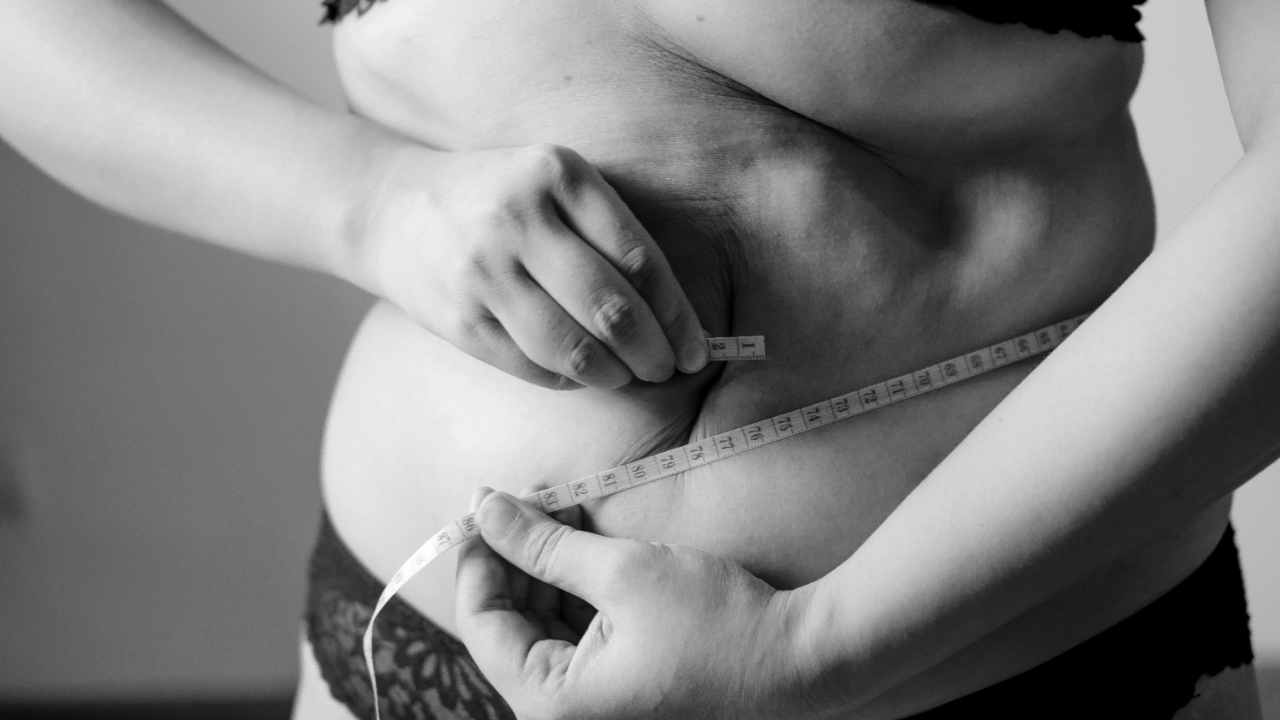
… It’s probably Perimenopause! One of the most common complaints I hear from women from age 37-50 (besides fatigue and exhaustion) is that they have put on kilos and it is mostly appearing around the belly. Sometimes the weight gain is not huge amounts, sometimes the weight gain is considerable, but it always happens slowly and with no change to diet or exercise.
So what’s happening there?
Your metabolism is changing. Our rate of fat burn as an energy source changes considerably in the perimenopausal years due to declining oestrogen. In our 20s and 30s, our oestrogen is protective against inflammation in the body as well as our insulin sensitivity. As oestrogen starts to decline, the protective mechanism declines too and we find ourselves needing to work harder to keep inflammation down in the body and to keep our blood sugar levels stable.
Some signs your blood sugar levels are unstable:
- Your energy slumps at around 11am and/or 2-3pm. This is such a common complaint I hear in perimenopausal women. The food choices they are making during the morning (or lack of food choices due to fasting) leads to a big blood sugar crash that leaves them feeling depleted, lethargic and “like I could sleep for 100 years” (quote from my client Klara*)
- You feel hungry again an hour after meals. This one is because the food you are fueling with is burning quickly and your metabolism isn’t adaptive enough to switch to fat burning mode, so it asks for more glucose in the form of more food. We can change this through our food pairings (more on that later.)
- You’re waking up at 2-3am a lot. This is because your blood sugar has dipped and your body is trying to rectify it by releasing hormones like cortisol, which can wake you up and make it hard to get back to sleep.
- You're gaining weight, even though you’re exercising, even though you’re making healthy food choices. Your body is burning through glucose and then asking for more. It has stopped effectively using fat as a fuel source and blood sugar rises quickly then drops quickly. You start to crave sugar more and more and when blood sugar spikes, your body begins to lay down fat cells, predominantly around the mid section. This is actually a protective mechanism the body does to keep our organs safe.
Here are the most effective ways we can counteract our changing insulin sensitivity to help us switch into burning fat for fuel so that we can utilise stored fat cells, and so we can get through the day without falling into a low blood sugar energy slump every day.
Tip 1: Start your day with a protein rich breakfast that also includes some fibre and good fats. Eggs with some veggies (tomato, spinach, mushroom, whatever you like) plus some avocado is a perfect combo of these macronutrients. If you’re time poor in the mornings, pre boil some eggs and make a little side salad with avo the night before to eat before or at work.
Tip 2: Protein, fibrous foods like veggies and wholegrains as well as a small amount of good fats (omega 3, 6a and DHA fats found in fish) are a match made in heaven for your blood sugar levels and insulin sensitivity. Pair these macronutrients together in your meals and snacks and you will feel satiated and will start to feel those 3 pm energy slumps dissipate.
Tip 3: Take a walk after meals. 5- 10 minutes is all it takes. This helps to curb sugar spikes from happening after you eat and also helps you to avoid that sleepy feeling often reported after lunch. One of the better investments I have made for my health is a walking pad to go under my desk (I also bought a tray that extends up and down so my desk becomes a standing desk when I want it to) so I can walk whist I do work (like writing this blog) and even whilst reading sometimes. Obviously walking outside in the fresh air would be ideal but it’s not always possible, so this is the next best thing for me. I bought it on Amazon for about $250.
Tip 4: Strength training to grow muscles is super protective against insulin resistance because of the energy that big muscles use up. 2-3 times per week of lifting to failure (ie, lifting a weight that is heaving anough that you can only do it successfully about 6 times before you have to rest.)
Tip 5: Support natural GLP-1 production through your food choices. GLP-1 is a hormone produces through the productin of short chain fatty acids in the gut to regulate appetite and insulin secretion. GLP-1 Medicines made from this hormone, known as glucagon-like peptide-1 receptor agonists (GLP-1 RAs) which you’ll know by the product names of Ozempic and Mounjaro are currently super popular amongst people wanting to lose weight. To boost natural GLP-1s eat foods high in resistant starch (like cooked, cooled and reheated potato,) foods high in fibre like green leafy vegetables, as well as fermented foods like kimchi and sauerkraut.)
If you’re gaining weight and you’ve tried everything you can think of, give this list a go. You can also make an appointment with me to look further into what’s going on with your body and your hormones to figure out the most effective way for you to reverse insulin resistance to lose weight and regain your vitality.
If you would like to deep dive with me to find out what's really going on with your health, book a free chat with me and we can get started.
Stay connected with news and updates!
Join our mailing list to receive the latest news and updates from me, including new blog posts about women's health related topics.
I promise to never share your details with anyone else.

